

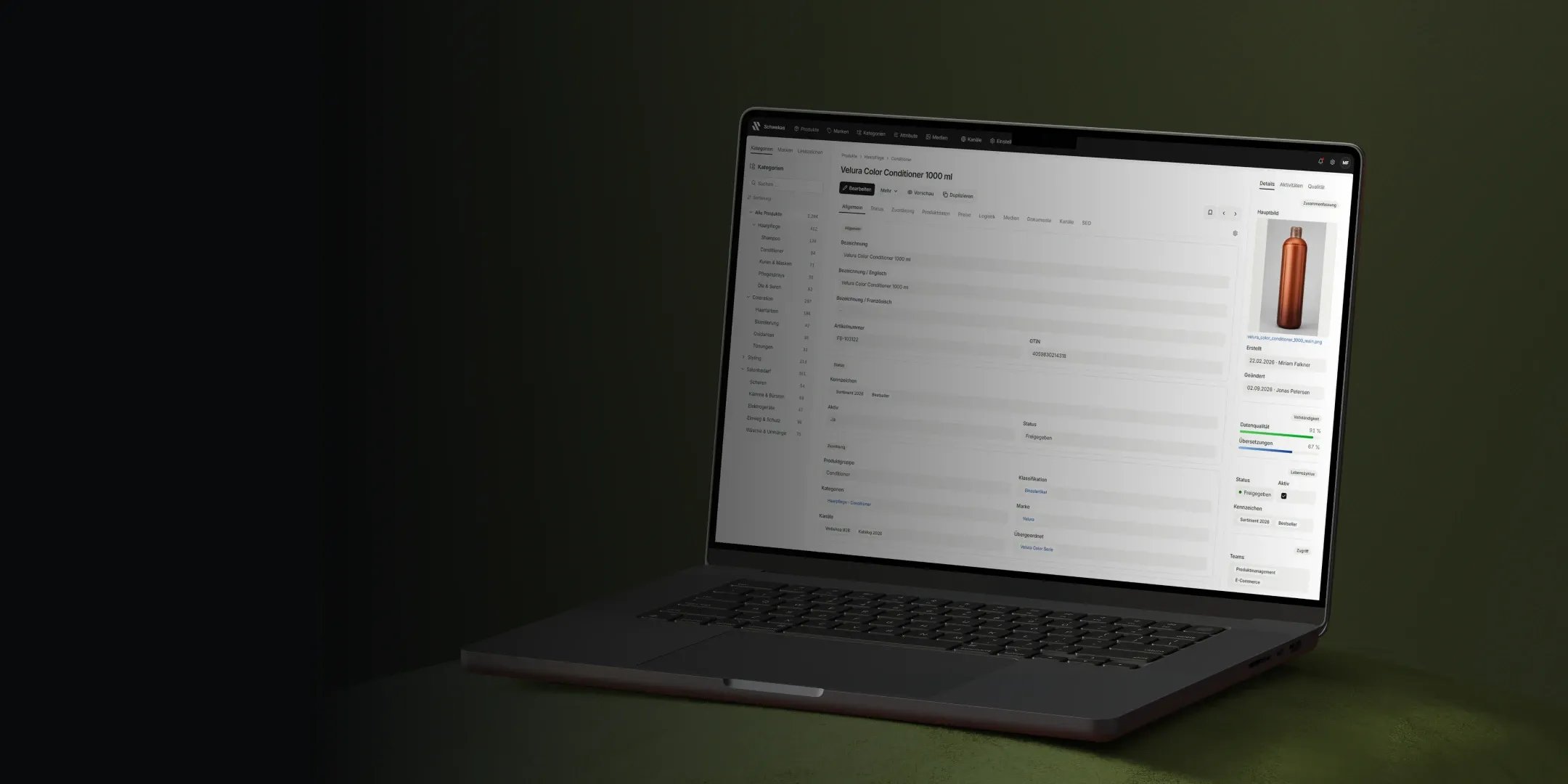
PIM Agency
Great products deserve great data platforms.
Structure and enrich product information centrally and deliver it consistently to e-commerce, marketplaces and other channels. As a PIM agency, Schwekas provides PIM consulting, implementation, data migration and system integration.
Agency for PIM Systems
When product data is maintained in several places.
Many mid-sized companies use ERP, e-commerce, marketplaces, PIM or Excel and internal applications in parallel. Each system serves its purpose. The systems themselves are not the problem. It only becomes a problem when the same product information has to be maintained in several places and reconciled between the systems.
Then data is entered several times, reconciled in Excel lists and adapted manually for individual channels. As the product range, languages or sales channels grow, so do the maintenance effort and the risk of inconsistent data, delayed product launches and unnecessary manual work. A PIM becomes relevant above all when several data sources and channels have to work together permanently.

Solutions
Maintained once, up to date on every channel.
A PIM connects product information, maintenance processes and connected systems. What matters is that data can be reliably supplemented, maintained and provided for the sales channels that need it.

AI-Powered Product Data Enrichment
Missing attributes, texts and translations can be added automatically. Defined rules check the results before they are transferred to the PIM.

The Right PIM System
We provide vendor-independent advice on selecting a PIM system that fits your requirements, processes and existing applications.

PIM as Part of Your System Landscape
ERP, e-commerce, CMS, marketplaces, search and internal applications exchange the product information they need with the PIM.

Clear Data Models and Maintenance Processes
Products, variants, attributes, languages, roles and approvals are mapped so that product information can be maintained traceably.

Consolidating Product Data Centrally
Product information from ERP, Excel, databases and other sources is consolidated in a shared data model.

Consistent Data on All Channels
Product information is maintained centrally and provided in the right form for e-commerce, marketplaces, portals and other sales channels.
Selected References
PIM projects in practice.
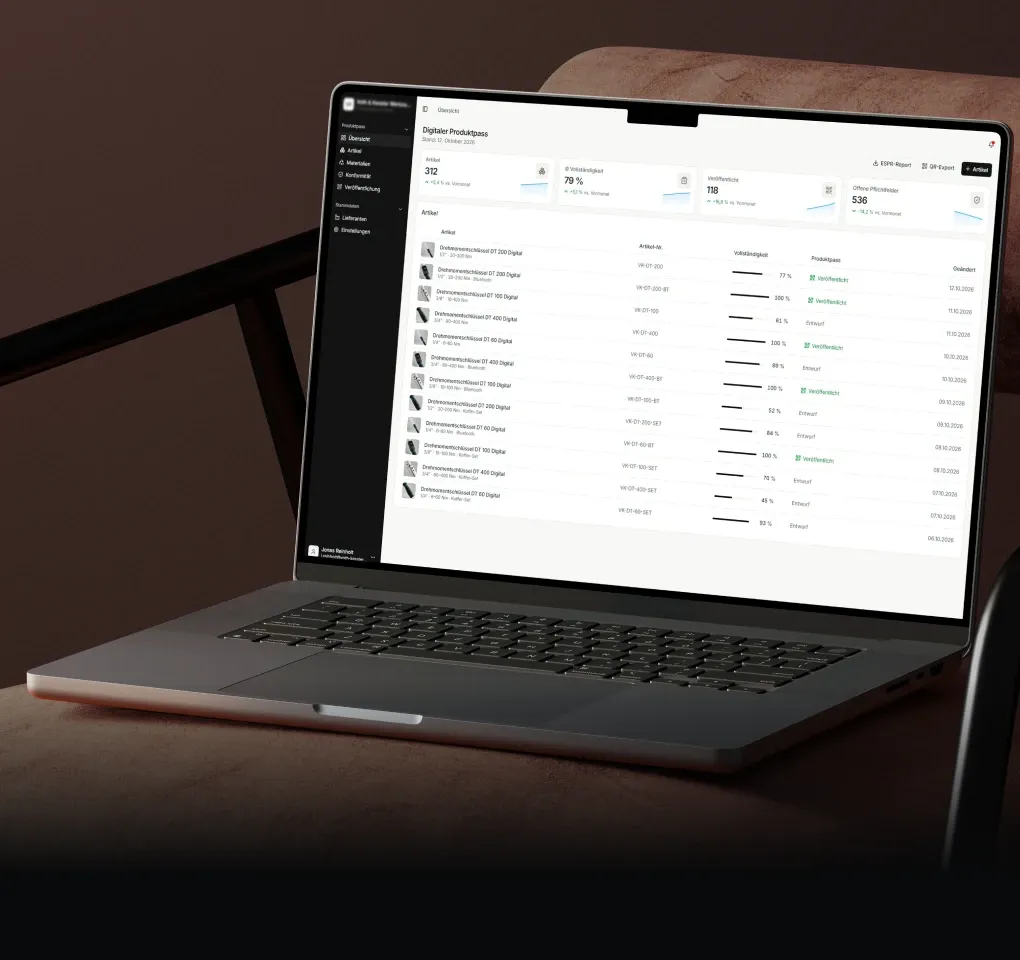

Tool Manufacturer
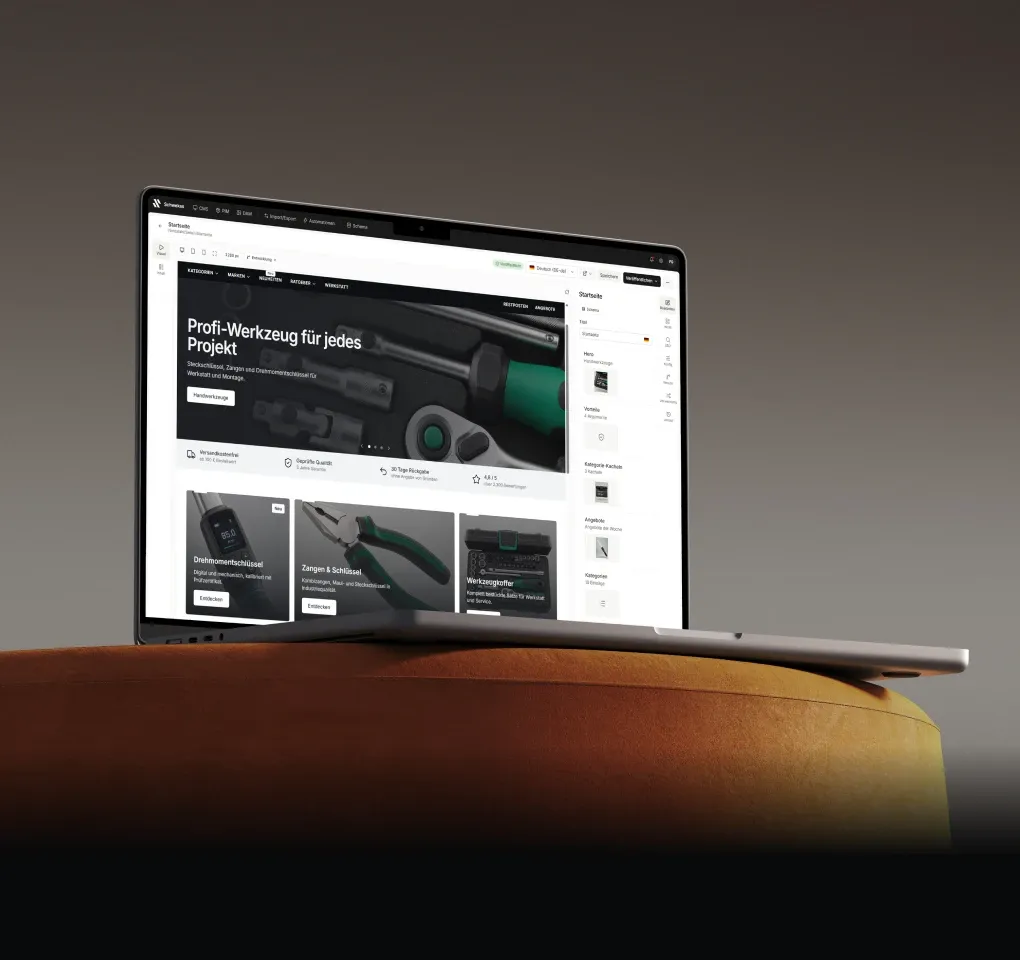
For a tool manufacturer, we developed a high-performance middleware for PIM and DAM.


E-Commerce
We developed a middleware and a supplier portal around an existing PIM system.
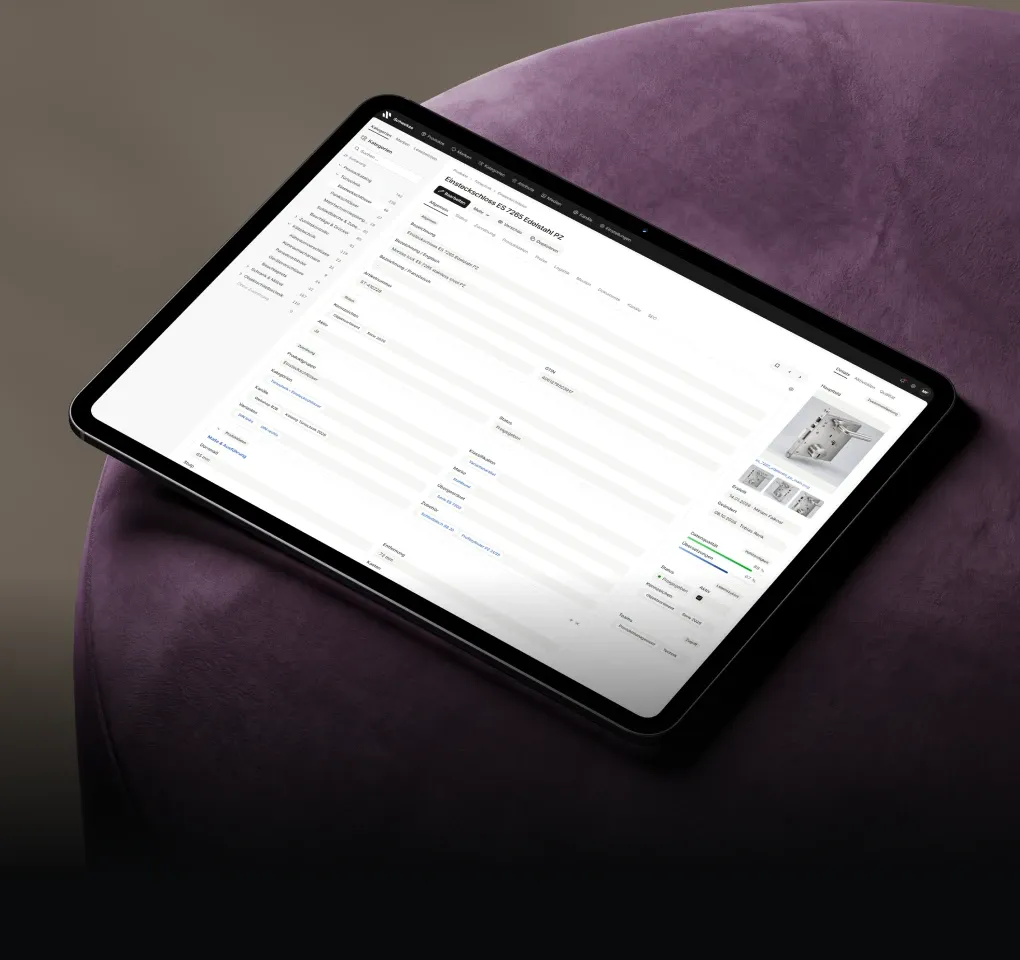
Critical Infrastructure (KRITIS) & Industry
We implemented a PIM and DAM system with heightened security requirements.


Wholesale
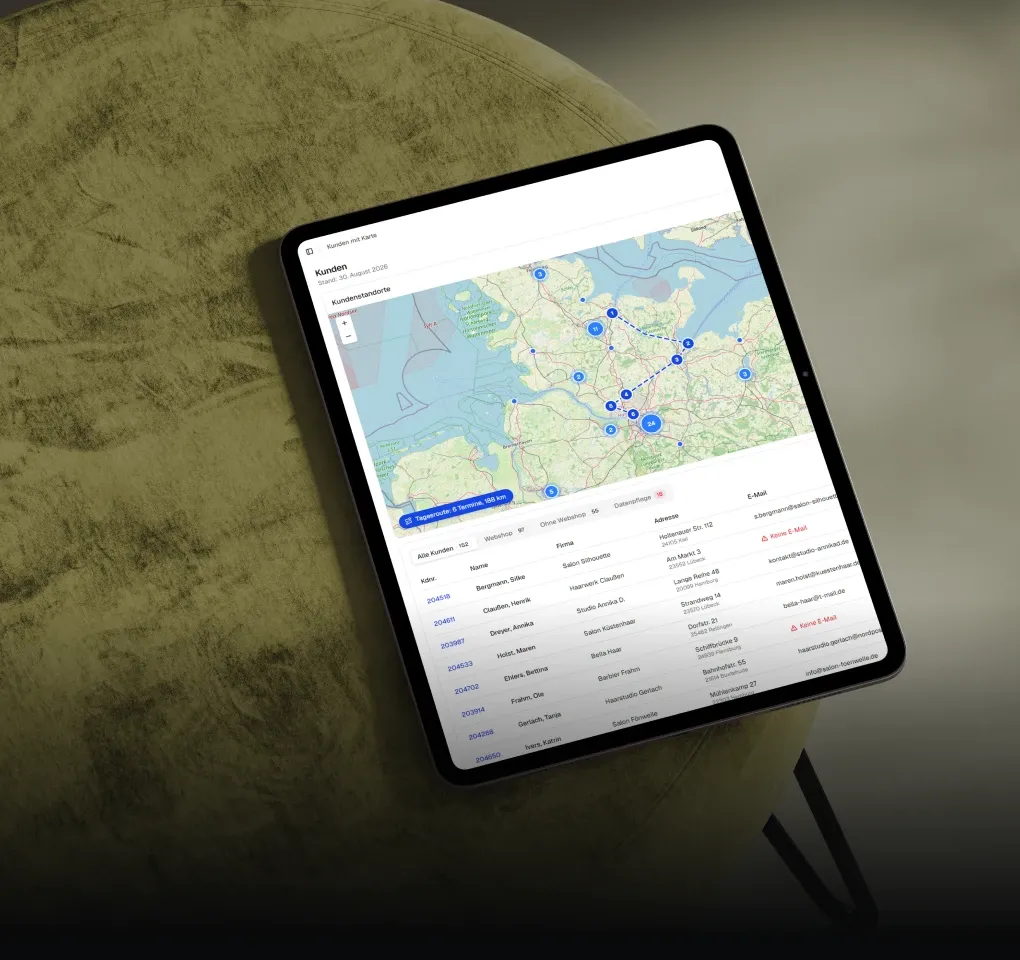
For a hairdressing wholesaler, we set up the PIM structure.
Key Figures
How a PIM pays off in day-to-day business.
20,000,000+
Products Optimized
Product data structured, cleansed, enriched and prepared for different sales channels.
+29%
Faster Product Launches
Defined workflows, mandatory fields and approvals shorten the path from complete product data to publication.
-74%
Fewer Data Errors
Validations, clear responsibilities and central maintenance reduce errors before product information is published.


Free Audit
Want to know whether a PIM system is worth it for you?
Let's speak personally. An expert will get back to you personally within 24 hours.
PIM Agency Services
From system selection to ongoing operation.
As a PIM agency, we handle the implementation of your PIM project from the initial analysis to operation. In doing so, we bring together business requirements, product data and the existing system landscape.
Implementation
The chosen PIM is configured for your data model, way of working and user roles.
- Product, variant and attribute models
- Classifications and categories
- Multilingual content and localization
- Validation and quality rules
Data Migration and Cleansing
Existing product information is transferred to the new data model in a controlled way.
- Export from ERP, Excel, databases and other applications
- Mapping to the new data model
- Test migrations and pretests
- Cut-over at go-live
AI and Automation
Recurring work on large product data sets can be automated in a targeted way.
- Attribute extraction from data sheets and existing sources
- Product texts and translations
- Import and maintenance automation
- Custom processing pipelines
Interfaces and Distribution
The required data flows connect the PIM with upstream and downstream systems.
- ERP and inventory management
- E-commerce and marketplaces
- Dealer and customer portals
- Search (Product Search & Discovery)
Our Approach as a PIM Agency
How we implement your PIM project.
It all starts with your current situation: data, processes, systems and requirements. We then develop the PIM step by step, with interim results you can use early on.

The first step reveals where product information originates today, how it is maintained and which systems access it. Together with product management, sales, marketing and IT, we look at data sources, existing workflows and user requirements. The result is a target state for the PIM and its role in your system landscape.
Focus areas
- Data sources and existing systems
- Maintenance and approval processes
- Requirements of the business departments
- Project goals and priorities
Based on the analysis, the functional data model is created. Attributes, variants, classifications, languages, roles and workflows are defined to fit your product range and the way your company works. Only then do we provide vendor-independent advice on the right PIM platform. If needed, we validate the selection with a proof of concept based on your own data.
Focus areas
- Data model and attribute structure
- Roles and approvals
- System comparison
- Proof of concept
The chosen PIM is configured for your data model, processes and user roles. In parallel, the required connections to ERP, e-commerce, CMS, marketplaces and other applications are built. Working interim releases allow your team to test key workflows early and feed their feedback directly into the further implementation.
Focus areas
- PIM configuration
- Interfaces and data flows
- Custom extensions
- Interim releases and tests
Existing product information is taken over from ERP, Excel, databases and other sources and mapped to the new data model. Attributes are harmonized, duplicates checked and incomplete records made visible. Test migrations show before go-live which data or rules still need to be adjusted.
Focus areas
- Mapping of the source data
- Cleansing and harmonization
- Test migrations
- Validation and data quality
Before the productive launch, future users work with the new PIM and their own product data. The training sessions are based on the actual tasks of the teams involved. Data sources and sales channels are then switched over to the new system in a controlled way.
Focus areas
- User training
- Approval of data and processes
- Switchover of connected systems
- Go-live support
After go-live, Schwekas can take over the technical operation of the PIM. This includes hosting in Germany, DevOps, monitoring, backups, maintenance and support. As your product range, markets or requirements grow, new features, languages, automations and sales channels can be added.
Still maintaining the same product data in several systems? Tell us about your current situation. In a free initial consultation, we assess where a PIM can simplify your processes first.
Talk to our experts
Our Strengths
A PIM project doesn't end with configuration.
A PIM project doesn't end with configuring software. Data has to be taken over from existing systems, interfaces developed, special processes mapped and the solution then operated reliably. That is exactly where Schwekas focuses.
- PIM vendors: Our advice is not tied to selling a particular license. If a simpler solution is enough, we tell you early on.
- Pure implementation agencies: Interfaces, custom backends, automations and technical extensions are built within the same project when needed.
- E-commerce agencies with a PIM add-on: The PIM is not treated as an add-on to a single sales channel but as an independent part of your system landscape.

Custom Development Around the PIM
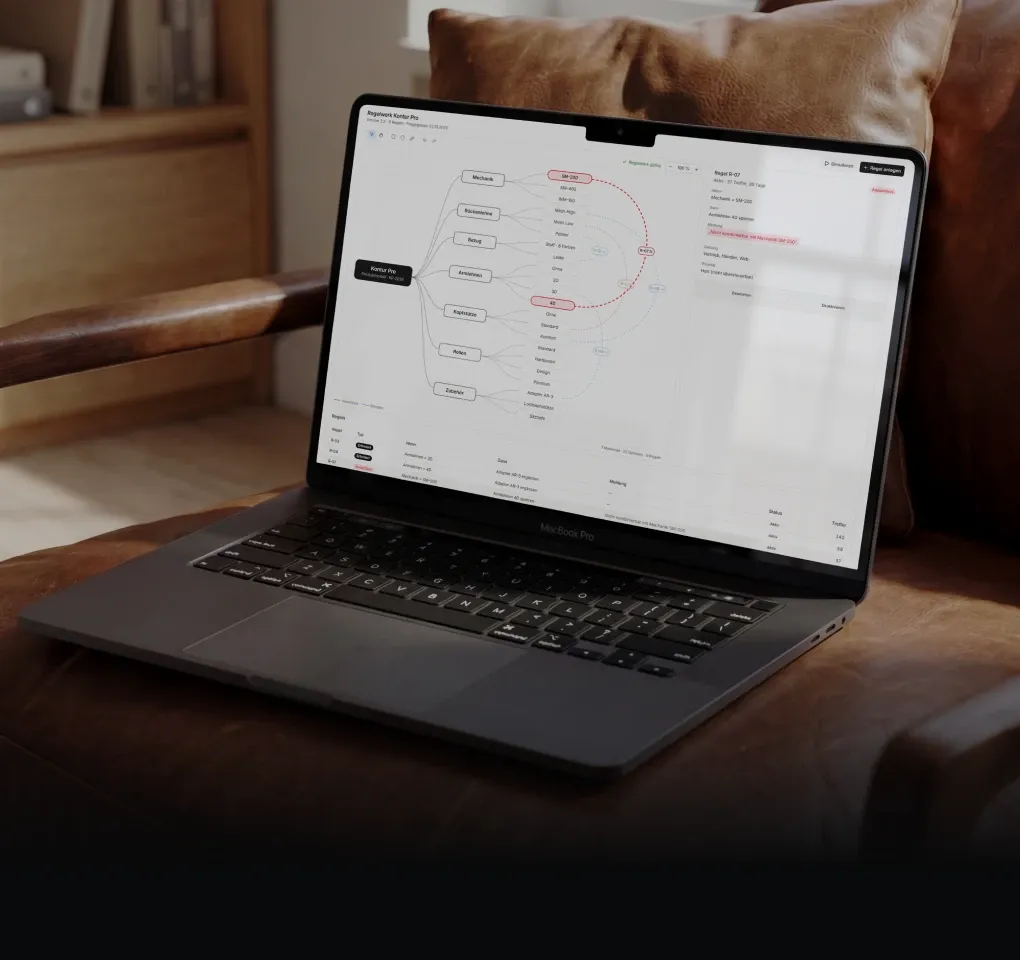
Not every requirement can be covered by a PIM's standard features. For special import processes, internal approvals, data enrichment or portals, we develop our own backends and applications around the system. The PIM remains the central component for product information, while custom features are added where they are actually needed.

Data Ownership Between Systems
ERP, PIM and sales channels hold different kinds of information. That is why, for each relevant field, we define which system is the system of record and in which direction data is synchronized. Typically, item master data, prices and stock levels sit in the ERP, while descriptions, media and channel-specific content are maintained in the PIM. Even older legacy ERPs without modern API capabilities, as are common in mid-sized companies, can be integrated via custom interfaces.

Operation Under the Same Technical Responsibility
After rollout, the PIM must continue to be operated, monitored and updated. Hosting in Germany, DevOps, monitoring, backups and technical further development can stay with Schwekas. This reduces handovers between development, infrastructure and support.

When a PIM Is Not the Right Solution
Not every product range needs its own PIM. If a few products, a single sales channel and cleanly maintained data in the ERP or e-commerce system are enough, a leaner solution can be more economical. We take this into account during consulting.
PIM Agency Advantages
One point of contact, even after go-live.
A PIM project involves more than introducing a system. Schwekas combines consulting, implementation, custom development, system integration and technical operation, so that responsibility does not shift between several providers after go-live.

Experience from PIM Projects
Data models, migrations, maintenance processes and sales channels place different demands depending on the company. This experience feeds into analysis, design and technical implementation from the start.

In-House Development Capabilities
If standard features are not enough, interfaces, backends, automations and custom applications can be added directly. This reduces dependence on additional providers.

Our Own Research in PIM and CMS
Since 2022, Schwekas has been researching technical foundations for large data models, high-performance data access and workflow-based systems in a federally funded research project.
PIM Systems
The PIM system as a central data hub.
A PIM sits between the systems in which product information originates and the channels that need this information. The ERP, for example, can hold item master data, prices and stock levels, while the PIM adds descriptions, attributes, media and channel-specific content.
From there, approved product information is passed on to e-commerce, marketplaces, CMS, portals, search or print. What matters is not storing as much data as possible in the PIM but creating clear responsibilities between the systems involved.
Technical Benefits
Your benefits with a PIM system.
A PIM system creates an advantage above all when several teams, data sources and sales channels work with the same product information. Central maintenance reduces parallel versions of the data and creates clear rules for quality and distribution.
Customer Loyalty
Complete and consistent product information reduces uncertainty before a purchase and queries after an order. Customers receive the same approved information across different channels.

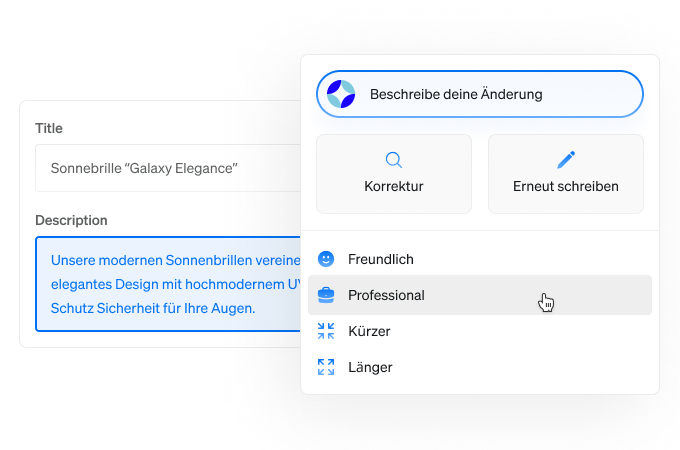
AI Integration
AI can supplement, translate, classify or check product information. Combined with validation rules, large data sets can be processed without having to maintain every piece of information entirely by hand.
Data Quality
Mandatory fields, validations and approvals make missing or contradictory information visible early. Data quality thus becomes part of the maintenance process instead of being checked only after publication.
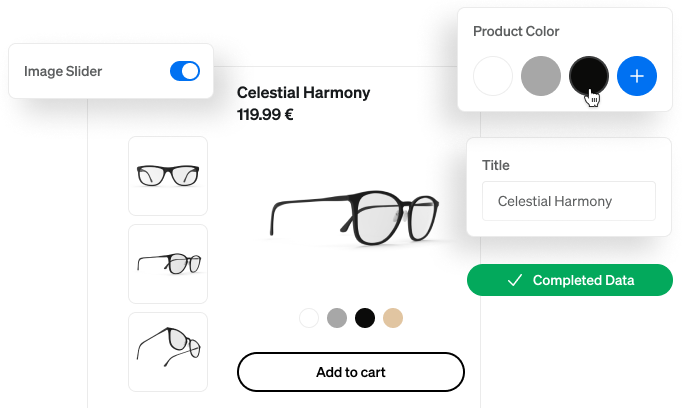
Shorter Time-to-Market
New products no longer have to be prepared for each channel one after another. As soon as the required information is complete and approved, multiple output channels can be supplied.
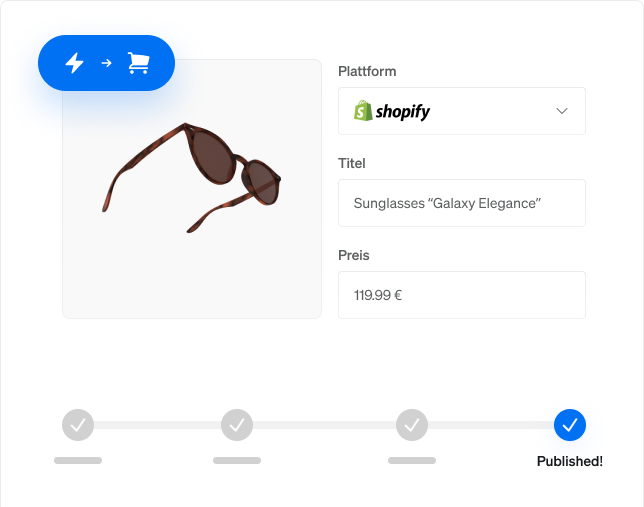
Omnichannel and Multichannel Commerce
Each channel may require its own mandatory fields, formats or texts. A PIM keeps the shared data foundation in one place and adds the information that individual sales channels need.

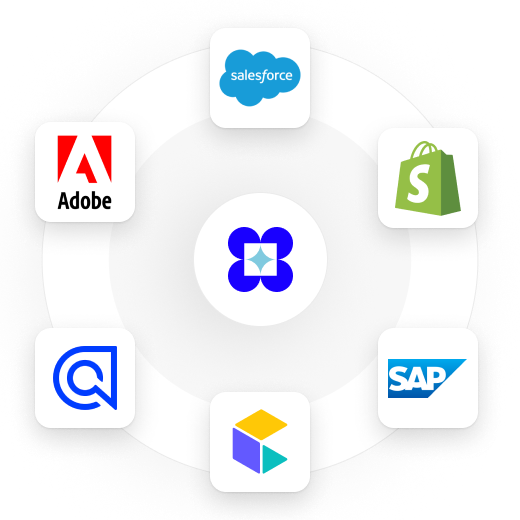
System Integration
The PIM connects product information with ERP, e-commerce, CMS, marketplaces and internal applications. Automated data flows replace manual handovers and recurring exports.
About PIM Software
Product data and media from a single source.
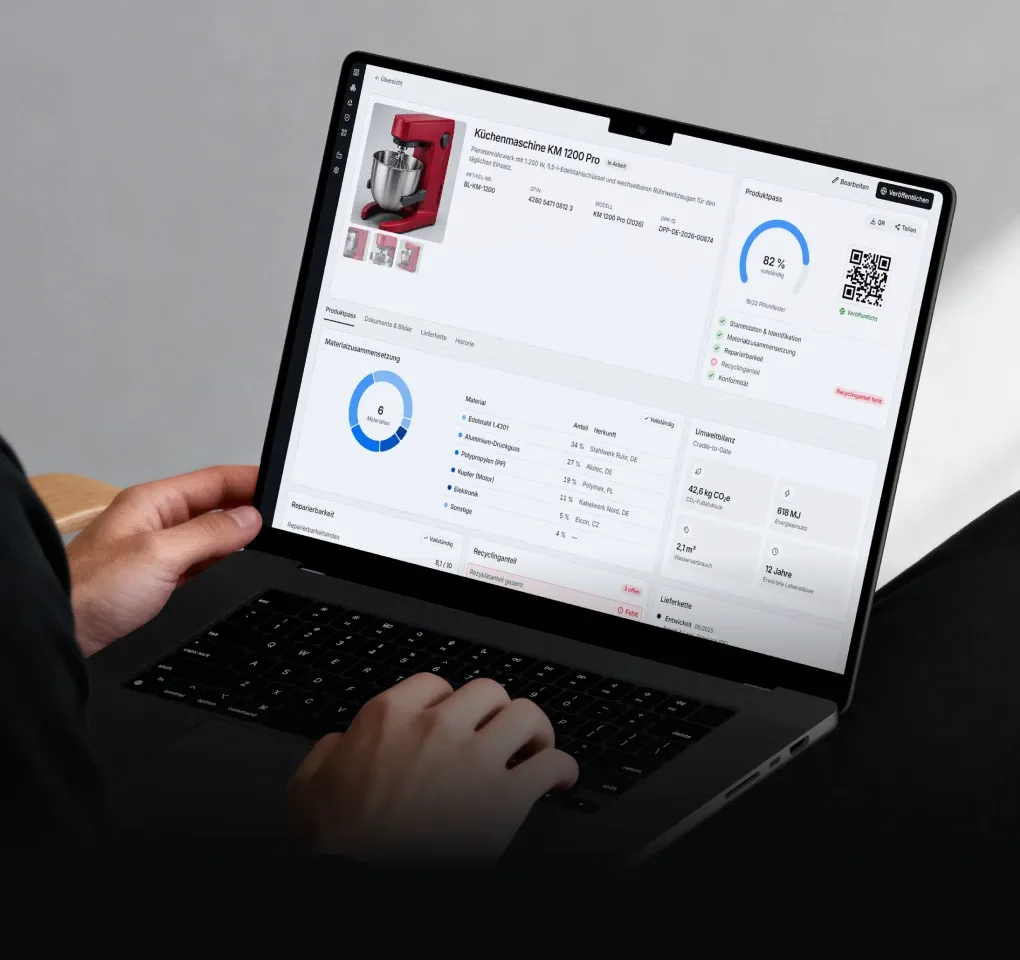
A PIM manages structured product information such as descriptions, attributes, classifications and channel-specific content. A DAM adds images, videos, documents and other media to this data. Together, both systems can form a central data foundation for e-commerce, marketplaces, websites, dealer portals and other output channels.
PIM and DAM don't have to be operated as isolated systems. What matters is how product information and media are brought together, maintained and passed on to the applications that work with them.


Project Inquiry
Let's bring order to your product data.
Let's speak personally. An expert will get back to you personally within 24 hours.
- Free, personal advice within <24 hrs
- No-obligation quote
More Services
Services and more.


Frequently Asked Questions about PIM systems and our PIM agency.
It all starts with a free initial consultation about your current situation. We clarify where product information is located today, which systems and channels are involved and whether a PIM is the right next step. This can be followed by a workshop with the business departments and IT involved, resulting in a target state and an effort estimate.
Yes. On request, we take care of hosting in Germany, DevOps, monitoring, backups, maintenance, updates, support and technical further development. The scope depends on the PIM system used and your preferred operating model.
AI can extract missing attributes, generate product texts, create translations, classify data and support quality checks. The results can be checked against defined rules before they are transferred to the PIM. Business approvals remain in place wherever an automated decision is not sufficient.
PIM software should be able to manage product information in a structured way, map maintenance processes and provide data for the required sales channels. This typically includes flexible data models, variants, multilingual support, roles and permissions, workflows, validations and interfaces to other applications.
Product information covers all the details needed to describe and market a product. This includes, for example, item numbers, titles, descriptions, technical attributes, variants, categories, media, documents and channel-specific content.
A PIM system manages and distributes product information centrally across multiple sales channels. Unlike the ERP, which often holds item master data, prices and stock levels, the PIM focuses on descriptions, attributes, media, classifications and channel-specific content.
A DAM system manages digital media such as product images, videos, technical documents or graphics. PIM and DAM are often connected so that product information and the associated media can be provided together for different channels.
A PIM pays off above all when several data sources, teams or sales channels work with the same product information. Typical triggers are growing product ranges, additional marketplaces, multiple languages or a high manual maintenance effort. For a small product range and a single channel, a leaner solution may be sufficient.
The costs depend on the choice of system, data model, data quality, integrations and migration effort. That is why a PIM implementation cannot be sensibly assessed with a flat price. After analyzing your current situation, we prepare a concrete effort estimate and a no-obligation quote.
The duration depends on the scope of the data model, the quality of the existing data and the number of connected systems. Instead of waiting for one big delivery at the end of the project, we work with functional interim releases that can be tested early.
Yes. Existing PIM systems, in-house developments and legacy data sets can be replaced and transferred to a new data model. Test migrations and quality checks ensure that the new system works completely before the old system is decommissioned.
Schwekas connects Microsoft Dynamics 365, SAP Business One, JTL, Xentral and older legacy ERPs without modern API capabilities, among others, to PIM systems. What matters is which information the ERP holds and how it should be synchronized with the PIM.
Yes. A PIM can prepare product information for Amazon, Otto, Kaufland and other marketplaces on a channel-specific basis. Mandatory fields, categories and formats are taken into account per channel, while the shared data foundation is maintained centrally.
Yes. As a PIM agency, Schwekas works with AtroCore, Contentserv, Pimcore, Akeneo and Plytix, among others. Our advice is based on your requirements, your system landscape and your preferred operating model. If a simpler solution without an additional PIM is sufficient, we will tell you that too.
Want to get your product data under control?
Ferhat Fraj DogruolLet's talk personally.
Industries
Industry Expertise from PIM Projects
Product data differs depending on the business model, product range and sales structure. We know the requirements of companies where many products, variants, data sources and sales channels have to work together reliably.

Wholesale
Large product ranges and lots of supplier data increase the maintenance effort. A PIM bundles the information for e-commerce, portals and marketplaces.

B2B and B2C Commerce
More products and channels mean more demands on product data. A PIM provides the required information centrally.

Consumer Goods
Variants, media and frequent changes to the product range must be maintained consistently. The PIM creates a shared data foundation for this.

Manufacturing Industry
Technical data and sales information often originate in different systems. A PIM brings them together for markets, languages and channels.

Automotive
Many attributes, variants and data sources require clear structures. A PIM keeps product information central and available for various applications.