

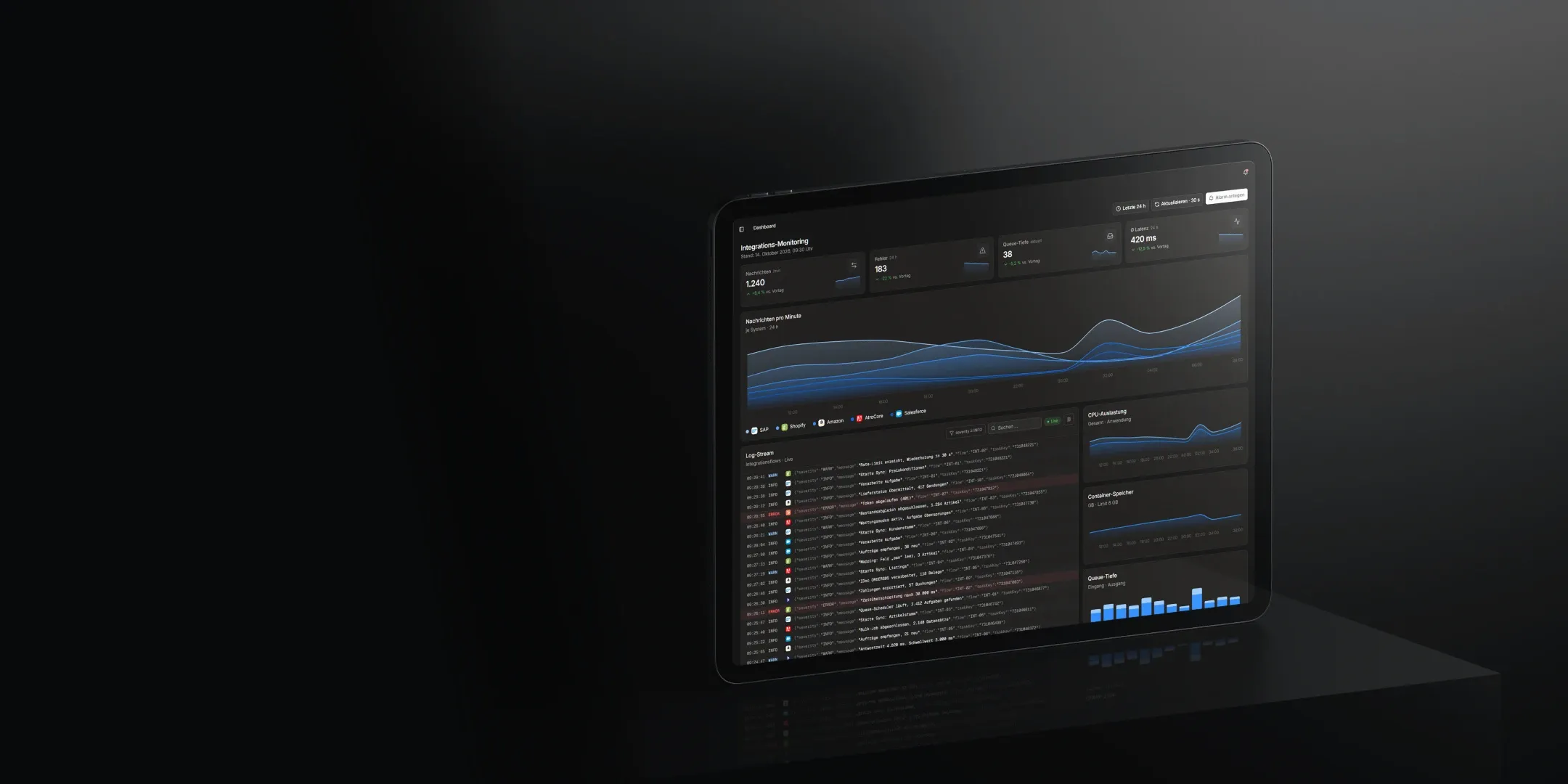
System Integration Agency
We connect your systems instead of creating new siloed solutions.
Schwekas integrates systems: ERP, e-commerce, PIM, CRM, CMS and internal applications, so that data flows reliably and manual processes are reduced.
Why System Integration
When data is maintained several times and reconciled by hand.
Many system landscapes grow over years. Different systems, platforms and internal applications each take on important tasks. The individual systems are rarely the real problem. The problem arises when they don't exchange data cleanly with each other.
Then data is maintained several times, exported, imported or reconciled in Excel. As soon as several systems need the same information, duplicate maintenance, inconsistent data and new siloed solutions emerge.
Key Figures
What Changes When Your Systems Are Connected
+30%
Clearer Data Flows
Information flows in a traceable way.
-60%
Fewer Manual Handovers
Data moves automatically between applications.
+40%
Increased Productivity
Teams gain time for value-adding tasks.
+6
Optimized Workflows Between Systems
Processes run smoothly across multiple applications.
System Integration Solutions
System integration for the applications that carry your processes.
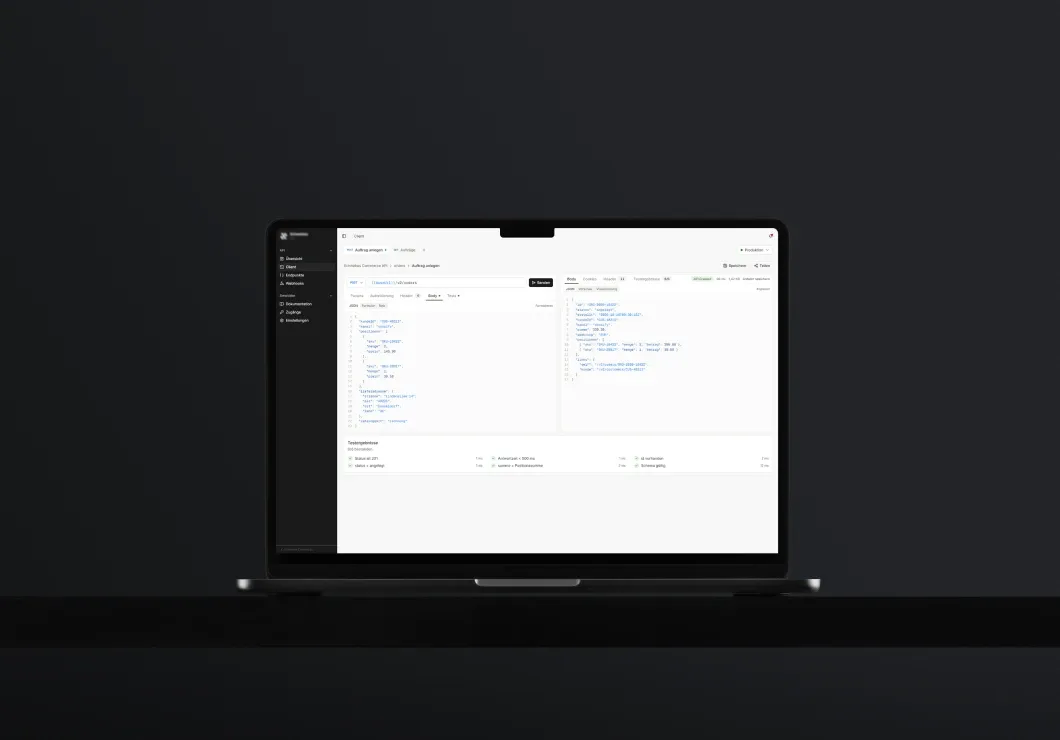
At Schwekas, system integration means that systems, platforms, websites and internal applications exchange data, content, orders and process steps reliably and with high performance.
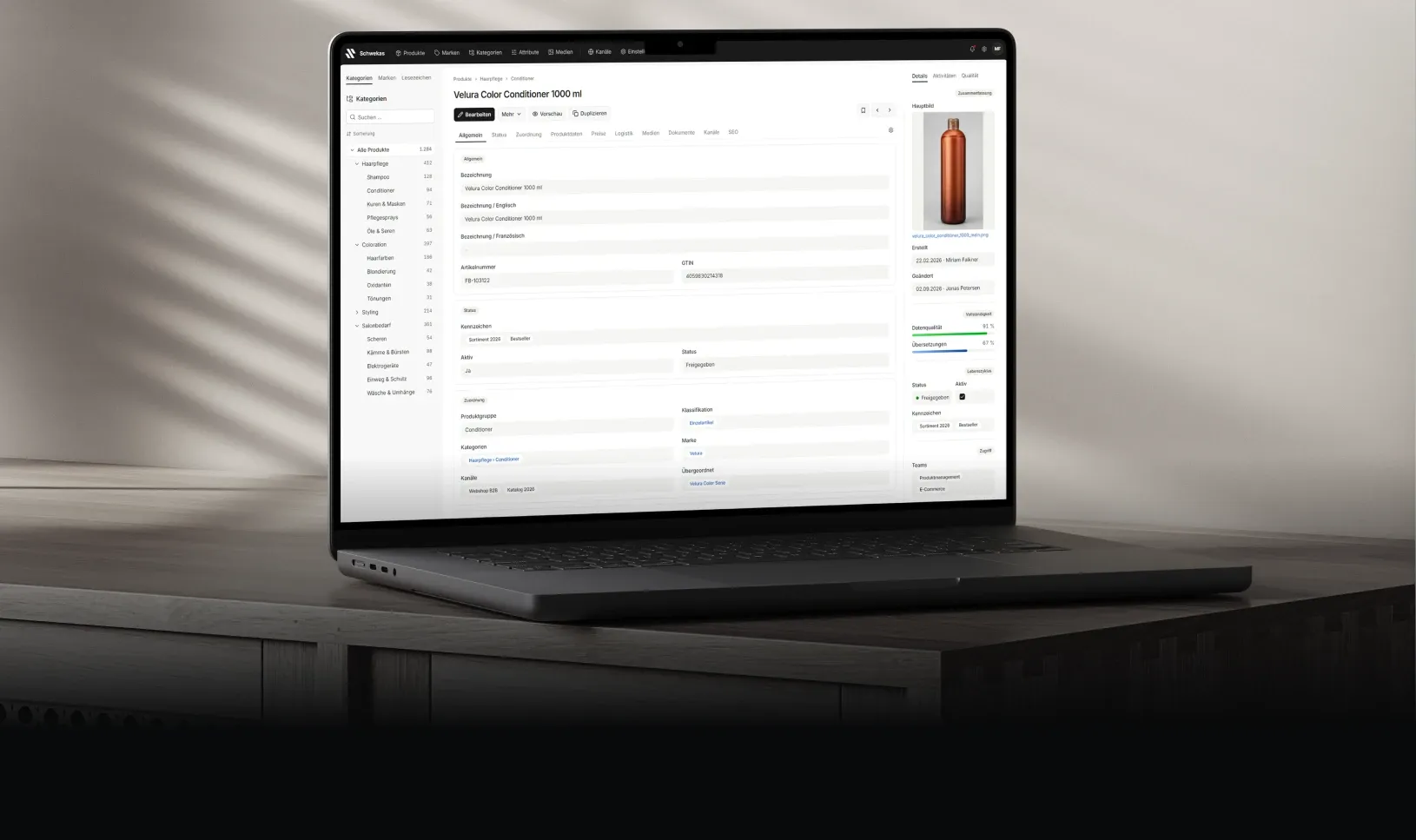
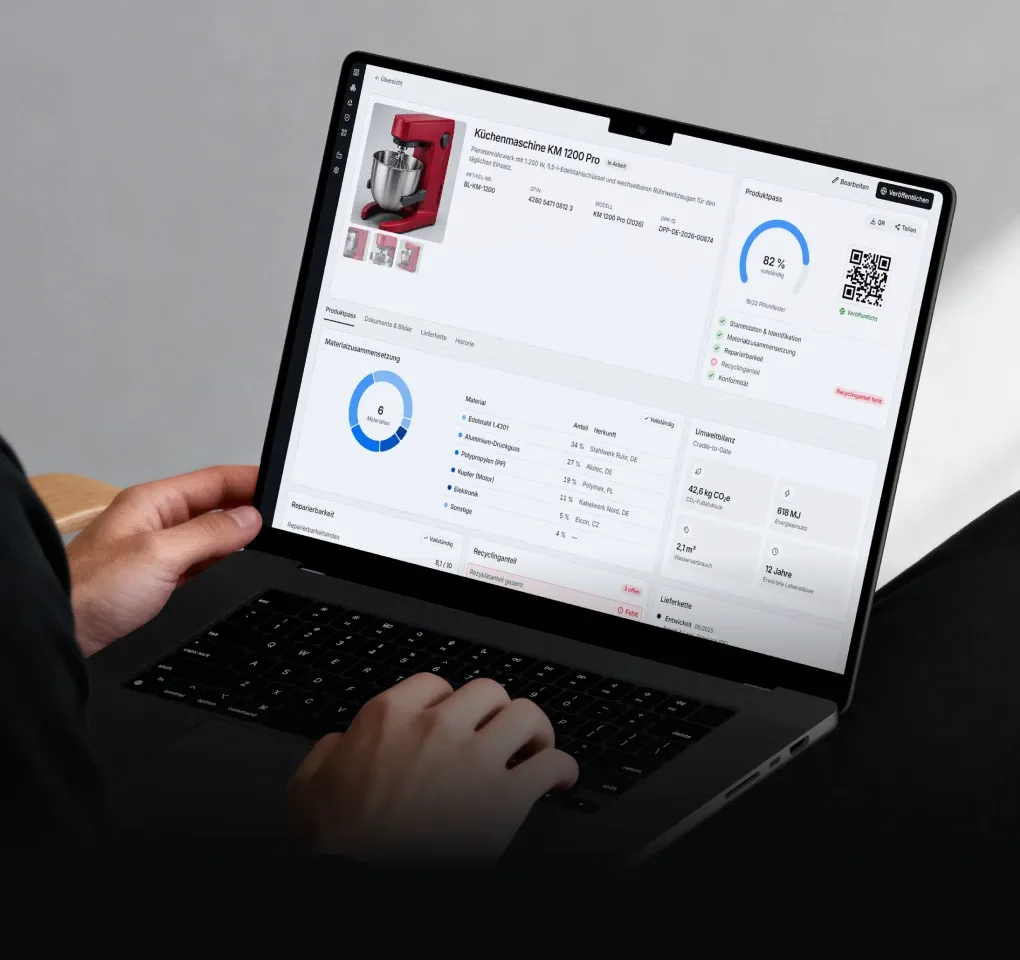
PIM and DAM
Product information, media and content are maintained centrally and integrated into the relevant systems and platforms.
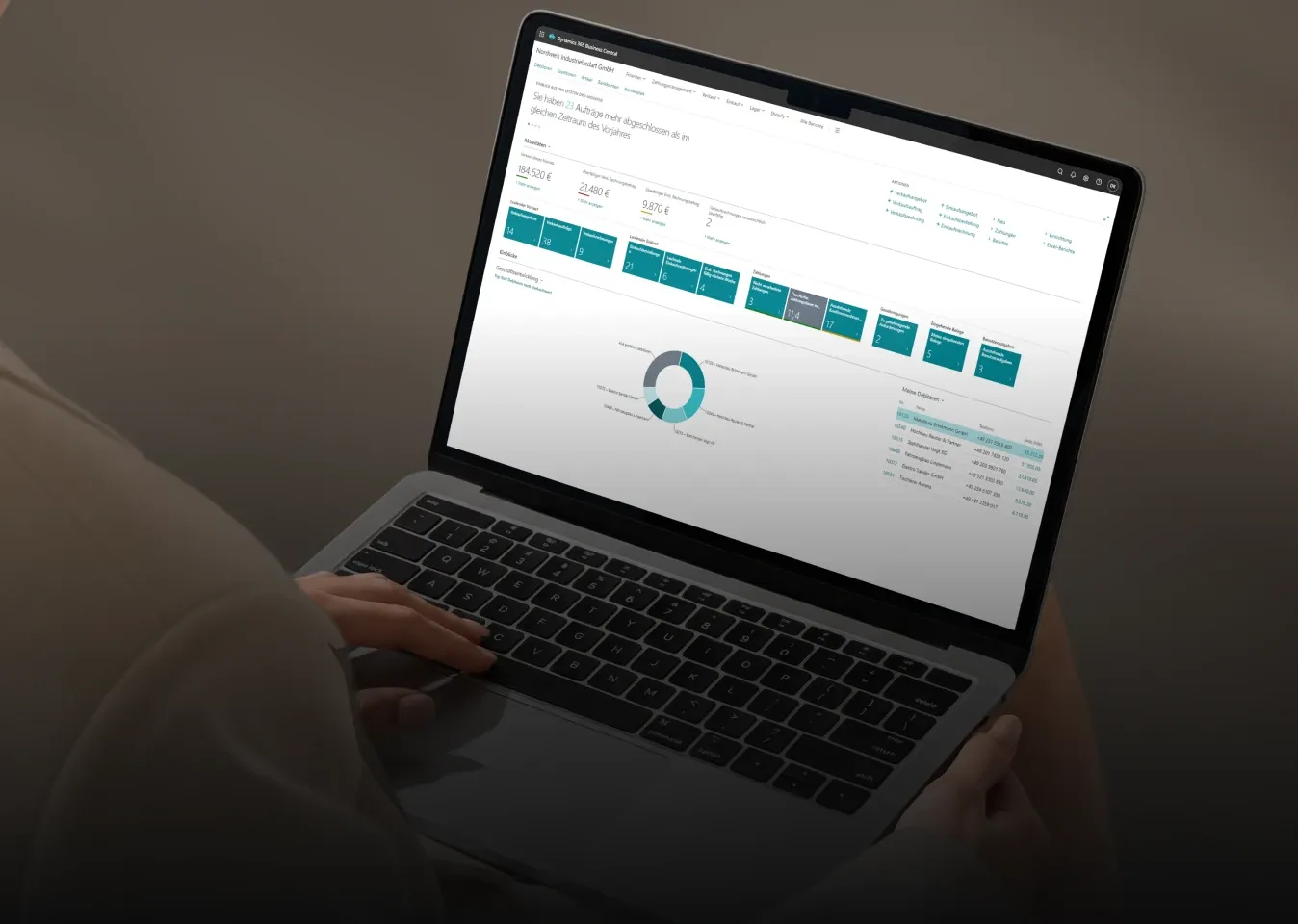
ERP Systems
ERP systems can serve as the central source of master data, while e-commerce, websites, platforms, PIM and CRM draw the relevant information from them.
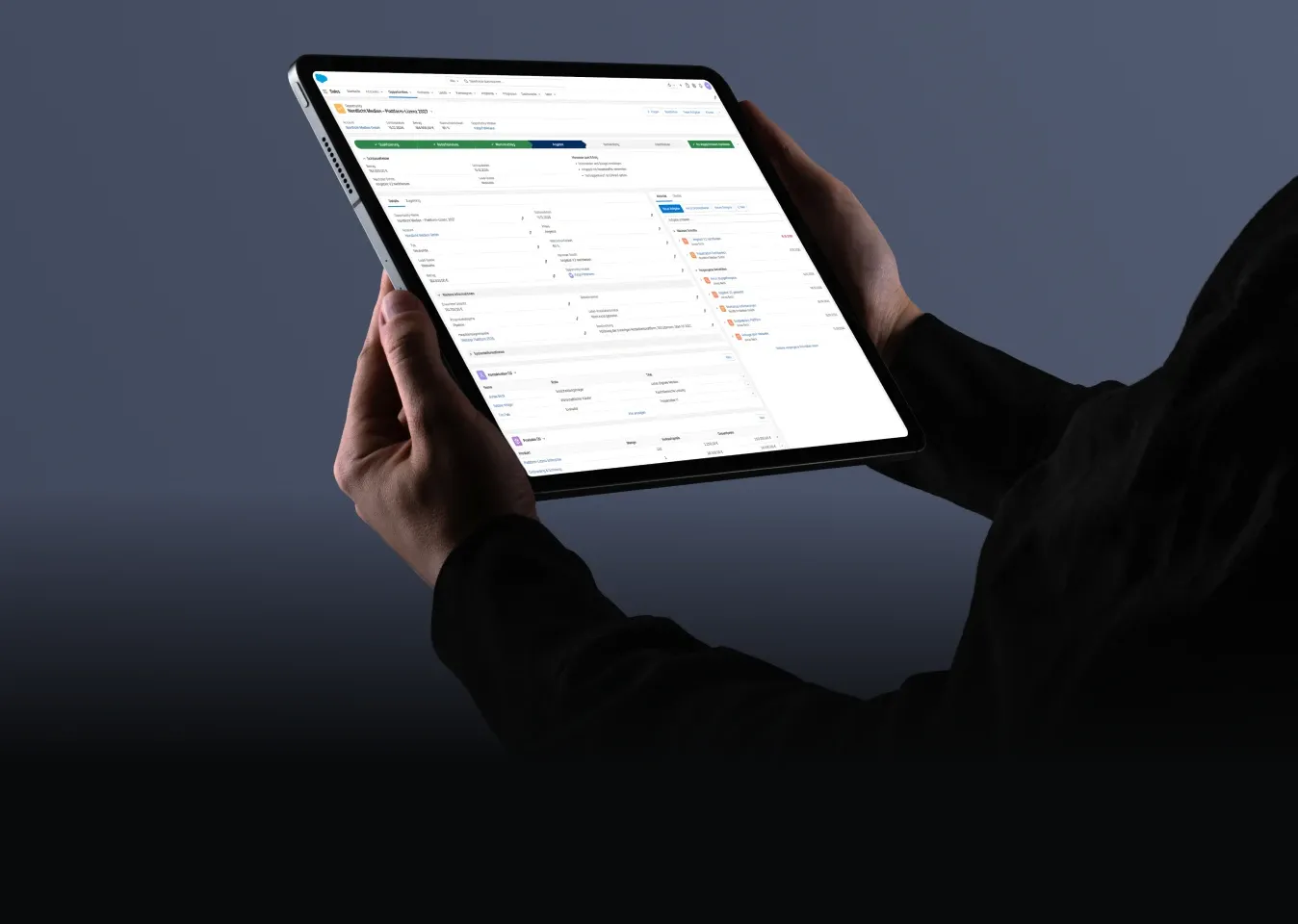
CRM Systems
Customer, order and sales data remain consistently available in CRM, ERP and downstream systems.

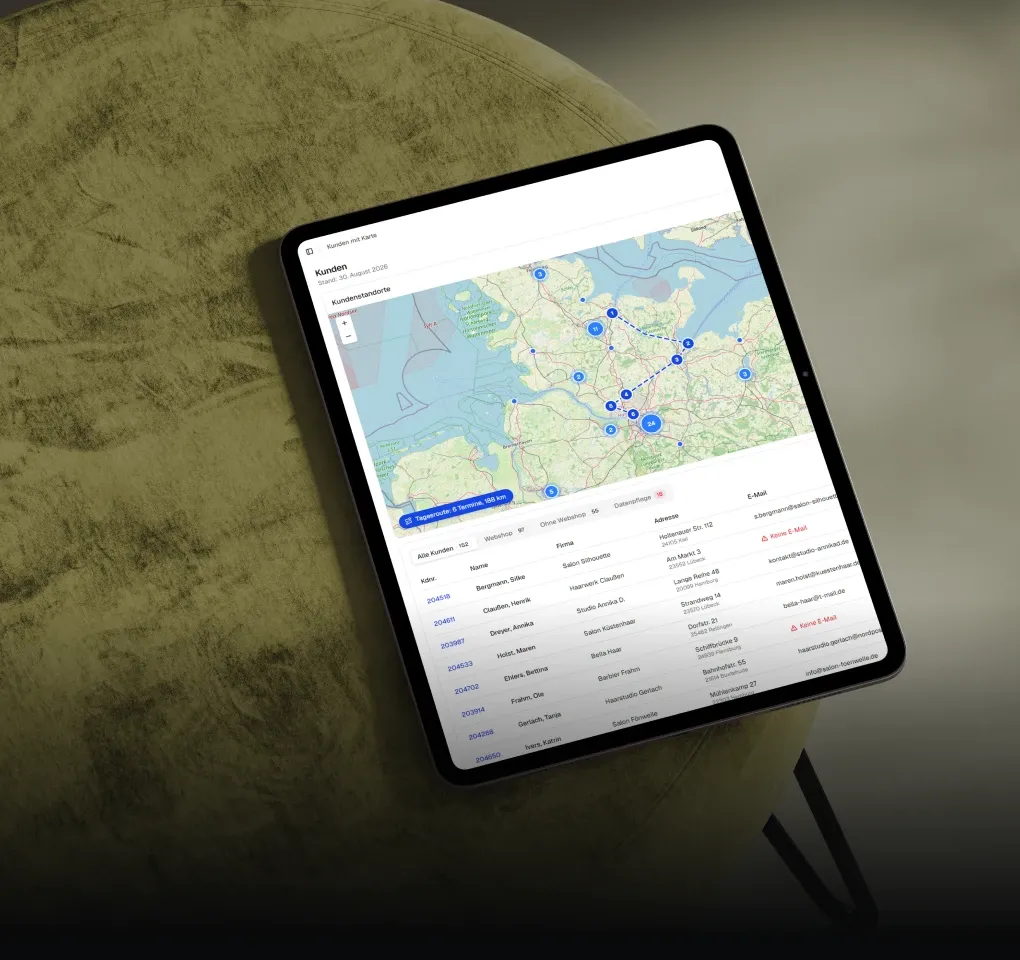
E-Commerce and Marketplaces
Orders, stock levels and prices flow between e-commerce, marketplaces and ERP without manual reconciliation at the end of the day.


Free Audit
Want your systems to be seamlessly integrated?
Let's speak personally. Our experts will get back to you within 24 hours.
System Integration Services
What Schwekas Handles in System Integration
Schwekas handles the technical and structural integration of your systems, platforms, websites and internal applications. To do this, we clarify which data originates where, which system is the system of record and how information flows reliably between applications.

As-Is Analysis and Target State
We map systems, data flows, manual handovers and technical dependencies and derive a clear integration goal from them.

Data Model and System Logic
We define which system holds which data, which applications take over information and how data stays consistent.

Integration Logic and Interfaces
We connect applications with the right integration logic, from individual interfaces to an extensible integration layer for company-wide Enterprise Application Integration.

Operation and Monitoring
On request, we operate and monitor integrations on an ongoing basis so that data flows remain stable after go-live.
Our Approach
From siloed solutions to high-performance integrations.
It does not start with the first interface but with a clear integration goal. What matters is which systems are involved, which data must flow reliably and which connection offers the greatest operational leverage.
Step 1: Requirements Analysis
Schwekas analyzes systems, data flows, dependencies and the processes they support.
Step 2: Target Architecture and Prioritization
The analysis produces a target state with a clear prioritization of the most important integrations.
Step 3: Interface Concept
The concept defines how data is transferred, processed and kept consistent between applications.
Step 4: Development and Implementation
Schwekas develops the required interfaces, data flows and integration logic.
Step 5: Testing and Performance
Performance and stress tests check data states, edge cases and the resilience of the data exchange.
Step 6: Go-Live, Operation and Further Development
The integration goes live in a controlled way, is monitored and is developed further as new requirements arise.
Our Strengths
The Difference from Traditional Agencies and Integration Providers
Many integration projects fail not because of the individual interface but because of performance, operation and a lack of transparency. That is why Schwekas looks not only at the connection between two systems but also at data volumes, processing, infrastructure and monitoring.
- We build high-performance integrations for large data volumes, not simple point-to-point connections.
- We align the integration with your system landscape, not with a fixed platform.
- You get implementation, infrastructure, monitoring and further development from a single source.

High-Performance Data Processing
Integrations are built so that data is processed reliably and quickly, even in large volumes.

Processes Before Code
An integration must map business logic and processes instead of merely transferring data technically from one system to the next.

Scalable Infrastructure
If needed, Schwekas provides the infrastructure so that integrations run stably and can be extended as requirements grow.

Extensible for New Requirements
Integrations are planned so that new applications, platforms or processes can be connected later.


Project Inquiry
Let's talk about your system landscape.
- Free, personal advice within <24 hrs
- No-obligation quote
More Services
Services and more.



Frequently Asked Questions about system integration.
System integration connects different IT systems such as ERP, e-commerce, PIM, CRM, CMS and internal applications so that data, processes and applications work together reliably. The goal is clear data flows between systems, fewer manual handovers, less duplicate maintenance and no inconsistent data.
Application development creates new software; system integration connects existing or new applications with each other. In practice, the two often go hand in hand: a platform, website or internal application is developed and at the same time integrated into ERP, CRM, PIM, CMS or other systems. You can find a detailed comparison under Application Development or System Integration.
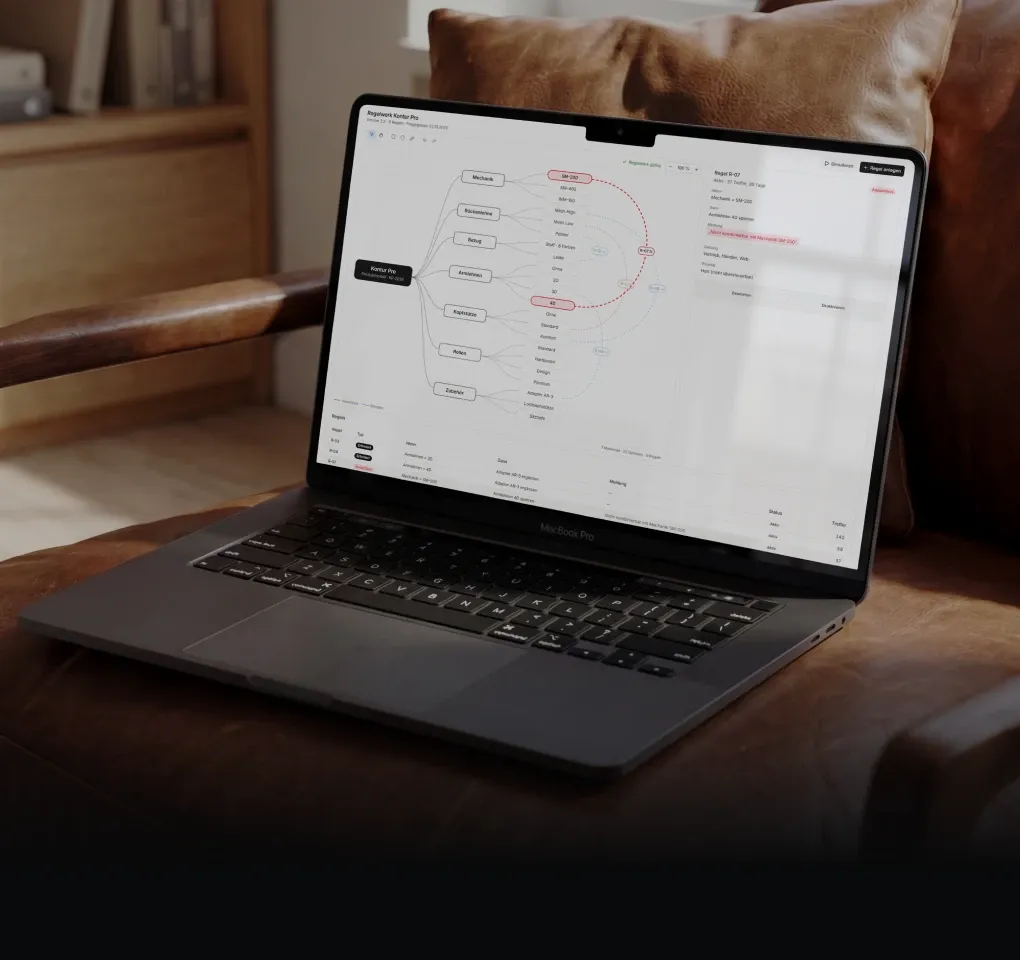
Individual interfaces are often sufficient when only a few systems with a clearly limited data exchange are connected. As soon as several applications, data flows, processes and error cases are involved, central integration logic or middleware makes more sense because it better supports operation, monitoring, extensibility and performance.
An iPaaS platform is often sufficient for standardized connections between common cloud systems. Custom system integration becomes relevant when data models, process logic, older systems, large data volumes or special performance and monitoring requirements cannot be mapped cleanly with standard connectors. Read more under EAI or iPaaS.
The cost of system integration depends on the number of systems, data volumes, interfaces, process logic, infrastructure and operating requirements. That is why Schwekas does not quote flat prices on this page but first assesses the starting point, the integration goal and the technical requirements. You can find an overview of the cost factors under How Much Does System Integration Cost.
The duration of a system integration depends on the scope, the technical starting point and the number of systems involved. Schwekas works step by step so that important data flows can be prioritized, implemented, tested and put live in a controlled way.
Yes, older legacy ERPs without a modern API can also be connected through custom solutions. Schwekas examines the available technical access points and develops a suitable connection so that data flows between the systems with high performance, stably and traceably.
A strategic integration provider looks not only at the individual interface but at data flows, processes, performance, operation and extensibility. What matters is whether it is clarified before implementation which systems are involved, how data is processed, which infrastructure is needed and how monitoring, logging and error tracking work.
Schwekas combines technical implementation, integration architecture, infrastructure, monitoring and further development in one compact team. The result is neither pure concepts nor simple point-to-point connections, but high-performance integrations that process large data volumes and remain visible in operation.
Yes, an integrated system landscape can later be extended with further systems, platforms, websites or processes. Schwekas plans integrations to be extensible and, on request, can take over operation, monitoring, logging, stabilization and further development after go-live.
Want your systems to work together without manual reconciliation?
Ferhat Fraj DogruolLet's talk personally.